
- Intimate Health
- 24/09/2025
- ARTICLE
- 3 MIN
Vaginal dryness and irritation are more common than you think. They can affect women of any age, but are especially common during menopause or other hormonal changes. These issues can impact intimacy, confidence, and overall comfort.
The good news? There are simple and effective treatments that restore intimate comfort and well-being.
In this article, you’ll discover:
- The main causes of vaginal dryness
- Common symptoms of vaginal irritation
- Effective remedies and treatments to relieve discomfort
What Causes Vaginal Dryness?
Vaginal dryness happens when vaginal tissues don’t produce enough natural moisture or lubrication. Common causes include:
- Hormonal changes: Menopause, perimenopause, pregnancy, and breastfeeding.
- Contraceptives or medication: Some pills, antidepressants, or cancer treatments may reduce lubrication.
- Stress & anxiety: Affects hormone balance and blood flow in the pelvic area, contributing to dryness & discomfort.
- Harsh soaps: Perfumed or unsuitable products can irritate and upset natural flora.
Symptoms to Look Out For
Vaginal dryness can show up as:
- A feeling of swelling or pressure in the vagina.
- Itching or stinging sensations.
- Irritation from thinning tissues, especially during menopause.
- Discomfort or pain during sex or urination.
Remedies and Treatments
- Vaginal Moisturizer
For long-term hydration and restore elasticity to tissues. Ideal for ongoing dryness and can be applied internally (vaginal) or externally (vulvar)
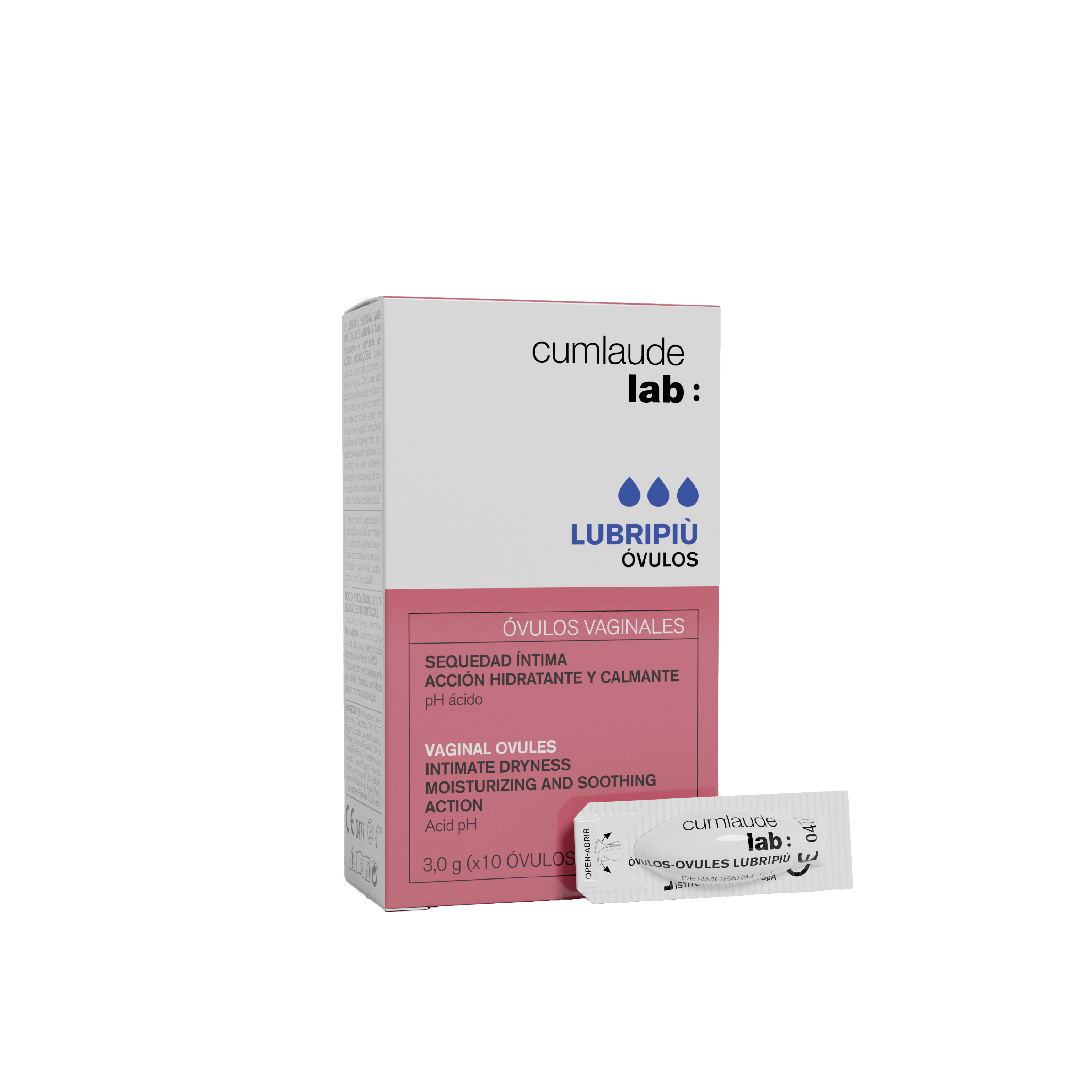
- Internal options (gel creams, ovules): Hydrate inside the vagina, restoring elasticity and comfort.
- External options (creams, oils, mists): Soothe and protect vulvar skin, offering quick relief.
- Lubricants
For quick and effective relief for vaginal irritation during sex. They don’t treat chronic dryness but improve comfort instantly.
- Water-based lubricants: Safe to use with condoms, ideal for sex.
- Silicone-based lubricants: Longer-lasting, but not suitable to use with condoms or for menopausal women.
👉 Choose lubricants with osmolarity below 380 mOsm/kg to protect vaginal tissues. Avoid fragrances, dyes, and harsh chemicals that could disrupt vaginal pH.
- Lifestyle Habits
- Stay hydrated: Drinking enough water supports natural lubrication.
- Eat for intimate health: Foods rich in omega-3s, phytoestrogens (e.g., soy), and vitamin E boost vaginal wellness.
- Wear the right underwear: Choose breathable cotton and avoid overly tight garments.
- Exercise regularly: Activities like yoga or Pilates improve pelvic circulation and overall well-being.
When to See a Doctor
If dryness or irritation persist or comes with pain, itching, or unusual discharge, consult a healthcare professional. It may be due to an infection or vaginal atrophy that needs specific treatment.
Final Takeaway